
How Long Does Paver Sealing Last in Miami Weather?
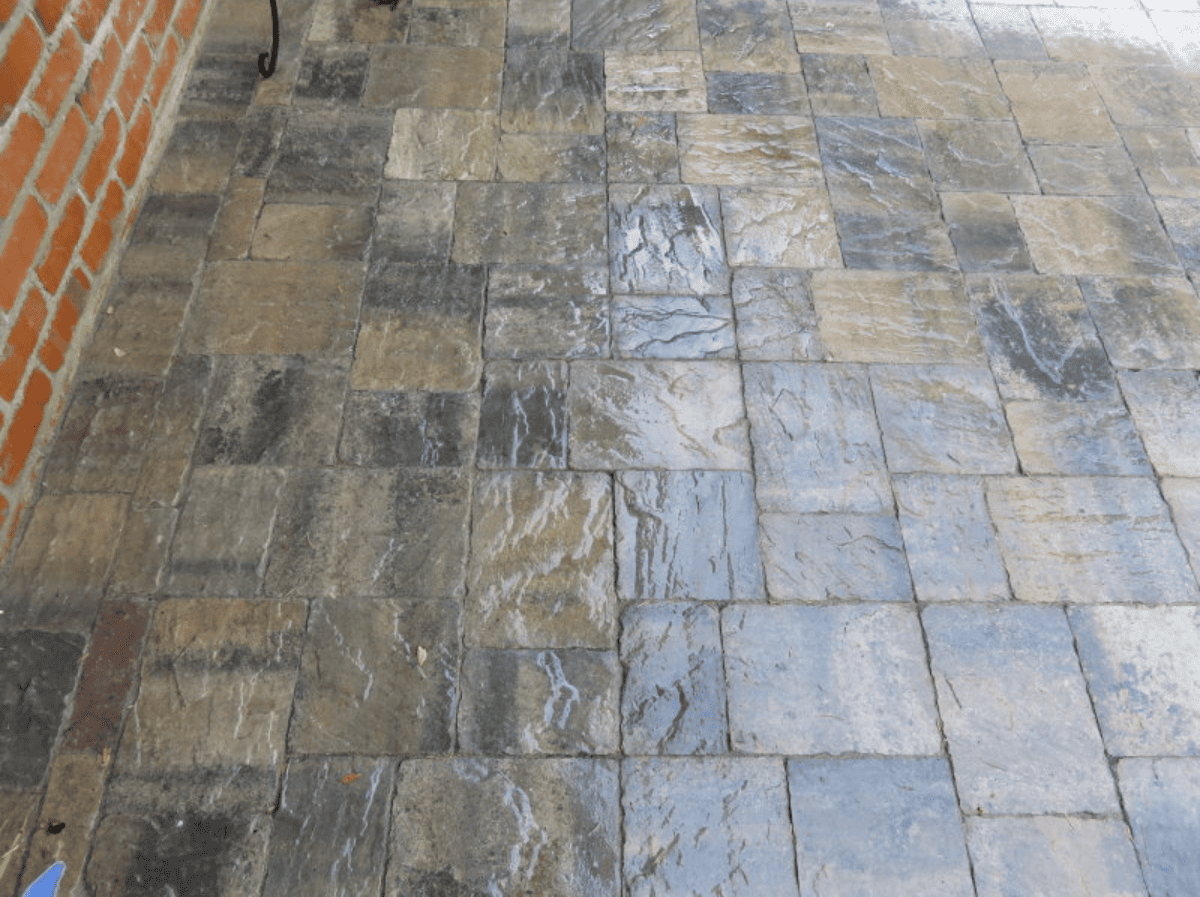
South Florida sun is strong, storms arrive fast, and salt hangs in the air. That mix is tough on concrete and brick pavers. If you want to keep color rich and joints tight, the right sealer and timing matter. As a local pressure washing and sealing team, Big Green Men helps homeowners plan maintenance that fits Miami’s unique climate. For a deeper look at methods and benefits, explore our professional paver sealing overview.
Below you will find clear guidance on typical lifespan in Miami, what speeds up wear, and how to time service for driveways, patios, and pool decks from Coral Gables to Miami Beach and beyond. You will also see how professional prep improves results so your pavers look great season after season.
What Is A Realistic Sealer Lifespan In Miami?
In a mild climate, many sealers can last several years. Miami’s coastal heat, UV exposure, and frequent rain change the math. On average, sealed pavers in our area hold up about 18 to 36 months before they need a fresh coat. Oceanfront or bayfront homes that face daily salt spray often land near the low end of that range. Shaded patios in inland neighborhoods like Kendall or Doral may stretch closer to three years.
Traffic also matters. Pool decks and walkways that see sandals and bare feet generally outlast high-traffic driveways where hot tires, drips, and turning radius wear the finish. Glossy film-forming products show scuffs sooner than matte or natural-look finishes. Penetrating sealers can last longer in some cases, but they do not deepen color the same way.
Plan for resealing every 2 to 3 years in coastal neighborhoods. Homes farther from the shoreline can often wait a bit longer, as long as color, joint sand, and water repellency still look solid on inspection.
Factors That Shorten Or Extend Paver Sealing
Several local conditions push sealer to its limits. Here are the big ones in Miami:
- UV Intensity: High UV index fades pigments and breaks down film-forming sealers faster, especially in open sun areas like Brickell and Aventura.
- Salt and Sea Breeze: Salt crystals and mist near the coast, including Miami Beach and Key Biscayne, accelerate wear and can create a whitish cast if moisture gets trapped.
- Summer Rain and Humidity: Frequent storms and humidity slow cure times and increase moisture pressure under the sealer.
- Traffic and Heat: Hot tires, tight turns, and brake dust on driveways scuff and soften glossy films.
- Pool Chemicals: Splash-out with chlorine and other treatments can dull sheen on deck pavers over time.
- Surface Porosity: Very porous or textured pavers absorb more material and may need earlier touch-ups.
- Subsurface Moisture: Drainage issues, irrigation overspray, or a rising water table increase the chance of haze or peeling.
- Product Type and Solids: Quality sealers with well-matched chemistry to your pavers resist UV and moisture more effectively.
When we assess a property, we look at these variables together. The goal is to match the sealer to the site so it can stand up to Miami weather as long as possible.
Driveways, Patios, And Pool Decks: How Lifespan Differs
Driveways: High heat from tires and vehicle fluids shortens life. Expect the lower end of the Miami range, often closer to every two years in full sun. Interlocking concrete pavers that sit over compacted base handle traffic well, but the sealer film will show it first.
Patios: These usually last longer because foot traffic is light and shade is common. Patios tucked behind homes in Pinecrest or Coconut Grove often look great for several seasons, especially with a penetrating or matte finish.
Pool Decks: Chlorine, salt systems, and constant water exposure test any coating. Choose a non-slip profile and be realistic about sheen. A subtle finish wears more evenly and looks fresh longer around pools from Coral Gables to Doral.
Film-Forming Vs. Penetrating Sealers In Coastal Heat
Film-forming sealers, often acrylic or urethane blends, add a visible layer that enriches color and can stabilize joint sand. They deliver that “wet look” many Miami homeowners love. The tradeoff is sensitivity to trapped moisture or over-application, which can lead to cloudiness in humid weather.
Penetrating sealers soak into the paver to repel water and stains without much sheen. They tolerate heat and moisture cycles well and are a smart pick for high UV zones where you want a natural appearance. In some cases, they hold up longer because there is less surface film to scuff.
Matte or natural-look sealers often hold up better in high heat. If deep color pop is your priority, a balanced, breathable film-forming product with proper thickness can still perform well in Miami conditions.
Maintenance Schedule For Miami Homeowners
Most homes benefit from a simple, repeatable schedule. We recommend a visual check every six months, ideally once before the rainy season and once after. If you see dulling, water that no longer beads, or sand erosion in the joints, it is time to plan service. For a quick overview of our approach to paver sealing in Miami and other exterior care, you can start at our homepage.
Driveways in full sun along coastal corridors usually need resealing sooner than shaded patios. Pool decks with heavy swim seasons may also come up for renewal faster. Timing the work for a stretch of dry weather helps sealer cure to full strength.
Miami’s drier, cooler months often produce the most reliable cure. Scheduling paver sealing between late fall and early spring reduces moisture-related haze and helps the finish last longer. Planning ahead also avoids the summer storm rush.
Signs Your Pavers Need Resealing
- Color looks faded or chalky even after professional cleaning.
- Water soaks in quickly instead of beading on the surface.
- Joint sand washes out or blows away in breezy conditions.
- Hot-tire marks or scuffs do not disappear with normal washing.
- Cloudy or milky patches appear after rain, especially in shaded areas.
White haze is often sealer wear or trapped moisture, not permanent damage. A proper evaluation can confirm the cause and outline the right fix for your paver type and location.
How Professional Preparation Affects Longevity
Preparation is where longevity is won. Our team inspects drainage, shade patterns, and previous coatings to choose a compatible product. As a pressure washing provider, Big Green Men cleans pavers with methods designed for coatings work, then addresses stains and joint stabilization where appropriate. The surface is allowed to dry to target levels before sealer is applied so the finish bonds correctly.
Application rate and film thickness matter. Too thin and the sealer underperforms. Too thick and moisture can get trapped beneath the film in our humid climate. Even passes, careful edge work, and the right drying window help your pavers resist UV, salt, and rain. If you want a deeper dive into options and benefits, see our page on our paver sealing service.
Neighborhood Examples Around Miami
Coastal Zones: Miami Beach, Key Biscayne, and the eastern edges of Brickell and Edgewater face constant salt and strong wind. Expect shorter cycles, closer to 18 to 24 months, especially on sunny driveways.
Inland Areas: Doral, Kendall, and parts of Westchester see less salt exposure and slightly longer life on patios and walkways. Driveways still trend toward more frequent maintenance because of heat and traffic.
Tree-Covered Streets: Coral Gables and Coconut Grove offer shade that slows UV damage. Moisture can linger after storms though, so product selection and timing are important.
Color, Sheen, And Safety Considerations
Choose the look you want with Miami weather in mind. Rich color and a satin appearance are achievable without making the surface slick. Non-slip additives and proper film build are part of a safe plan for pool decks and walkways. If you prefer a natural tone, a penetrating product can keep water out while preserving the paver’s original character.
Skip harsh cleaners that can strip sealer or etch the surface. If your pavers need attention between sealing cycles, a professional maintenance wash protects the finish and helps it reach its full lifespan.
Your Best Timeline For Miami Weather
Here is a simple way to think about timing in our climate:
- Oceanfront driveways and sun-baked pool decks: target 18 to 24 months.
- Inland patios and shaded walkways: target 24 to 36 months.
- After major storms or flooding: request an evaluation to confirm film integrity.
These ranges assume professional prep, the right product match, and good curing weather. If your home has heavy vehicle traffic, dense shade, or ongoing irrigation overspray, an earlier tune-up may be smart.
Get Longer-Lasting Results In Miami, FL
Ready for longer-lasting pavers in Miami? Schedule professional paver sealing with Big Green Men today. Speak with our local team at 786-629-8777 to set up an on-site assessment.
We help homeowners from Miami Beach to Coral Gables choose the right solution for color, protection, and traction. To see how service works and what to expect, visit the details on professional paver sealing. If you are new to our company or want to explore more exterior cleaning options, you can learn about paver sealing in Miami and other services on our homepage.
With the climate we live in, the question is not if your sealer will wear, but when. A smart plan that considers UV, salt, and seasons keeps your driveway, patio, and pool deck looking their best year after year. Big Green Men is ready to help you build that plan and keep your pavers protected.
Give Your Miami Pressure Washing & Industrial Cleaning Specialist a Call Today!